

My Father's House: A Journey of Love and Memory

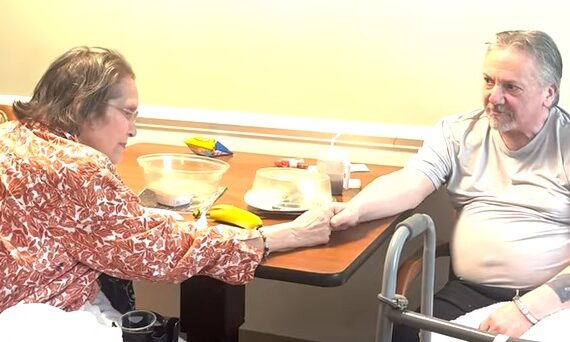
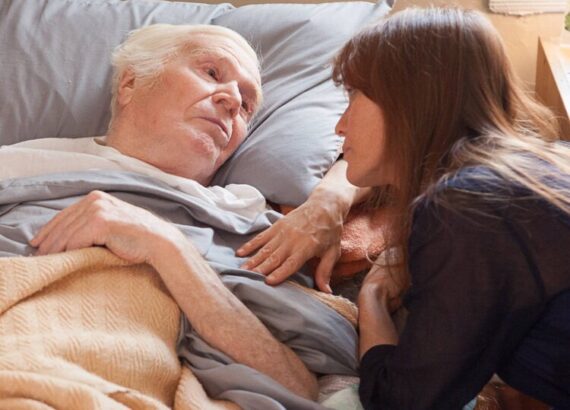
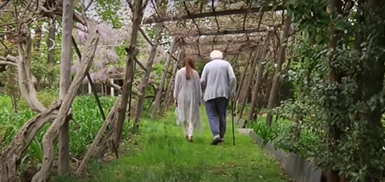
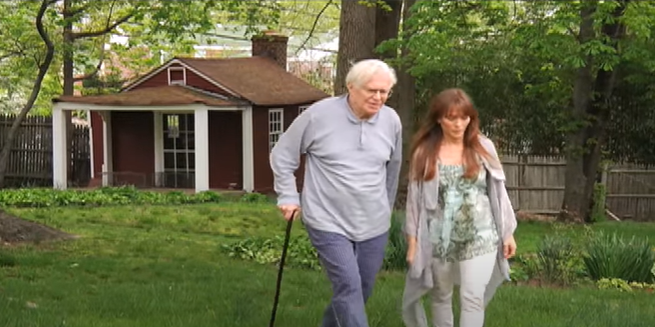
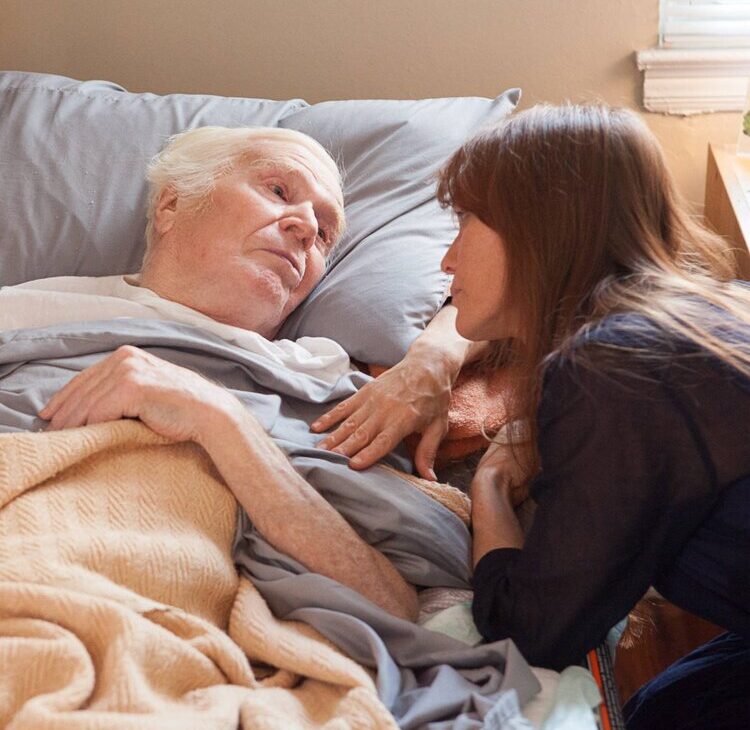
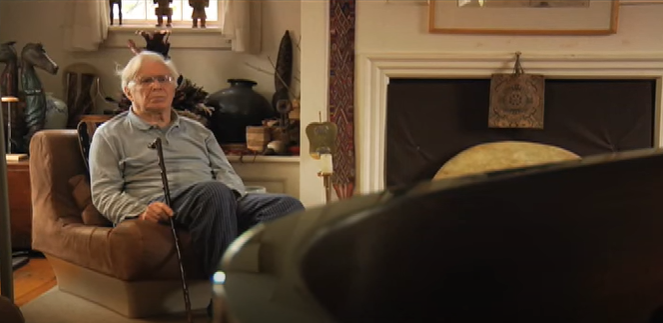
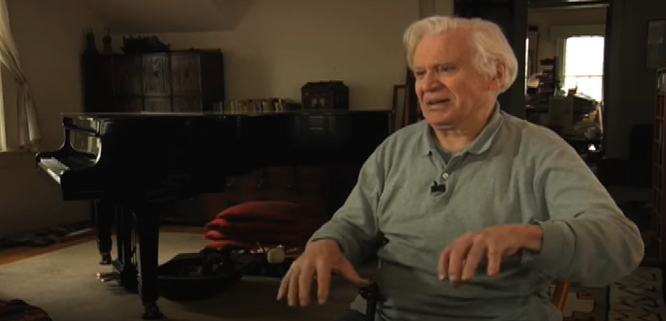
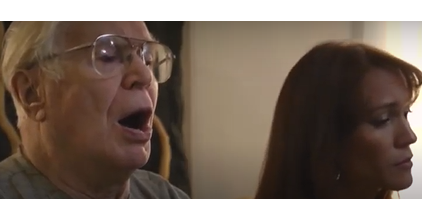
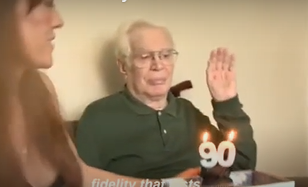
Synopsis: Hannah Reimann’s self-produced film, a love letter to her father, tells the story of her father, Dr. Peter Reimann and his trauma-related dementia, her sister Kim, their devoted Korean housekeeper, Mrs. Man Cho Lee, and herself.
"My Father's House: A Journey of Love and Memory" is available for rental or purchase from Terra Nova Films.
About the Filmmaker
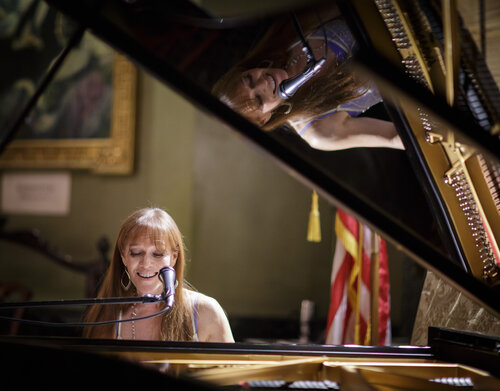
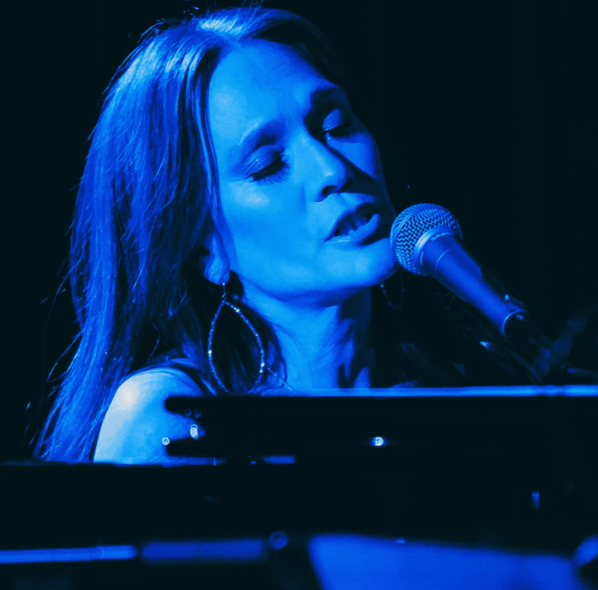
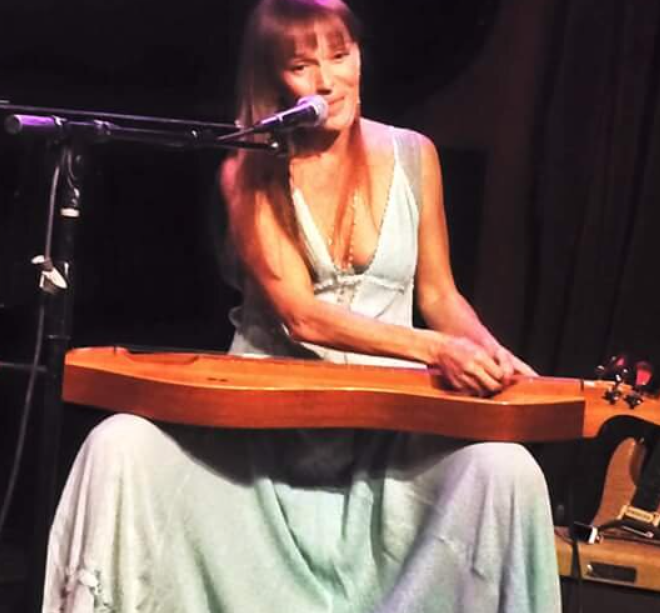
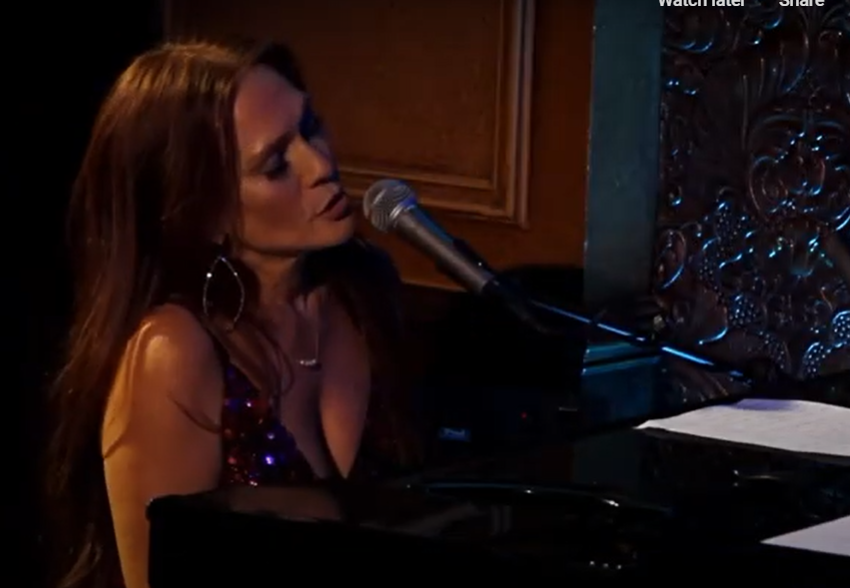
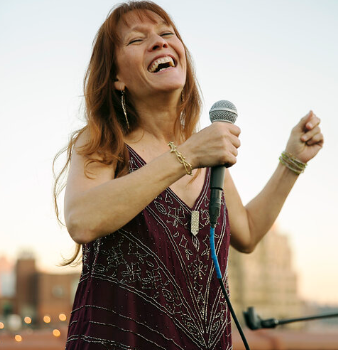
Pianist, vocalist, teacher, composer, actor, and filmmaker HANNAH REIMANN has a pedagogical lineage, via multiple generations, tracing back to Beethoven. She has played classical music and sang in folk and rock ensembles since she was a child. Over the course of her varied and multi-genre career, Reimann has played concert piano at Lincoln Center, fronted a punk band in Japan, appeared in over twenty independent films, performed with the Main Squeeze Accordion Orchestra, and directed the documentary, My Father’s House: A Journey of Love and Memory.
Reimann has devoted herself to interpreting the music of Joni Mitchell for much of the past decade. Performances of her show Both Sides Now, were hosted at The Bitter End, Littlefield, The Cutting Room and additional venues in Maine, Pennsylvania and New Jersey. The show had a three-week run in 2019 at the Irondale Center, Brooklyn as part of the ON WOMEN theater festival.
Interview with the Filmmaker
Movies About Aging and Elderhood had a chance to speak with filmmaker, Hannah Reimann, about My Father’s House: A Journey of Love and Memory. Here’s what she shared with us…
Movies About Aging: In the beginning, what prompted you to start filming your father?
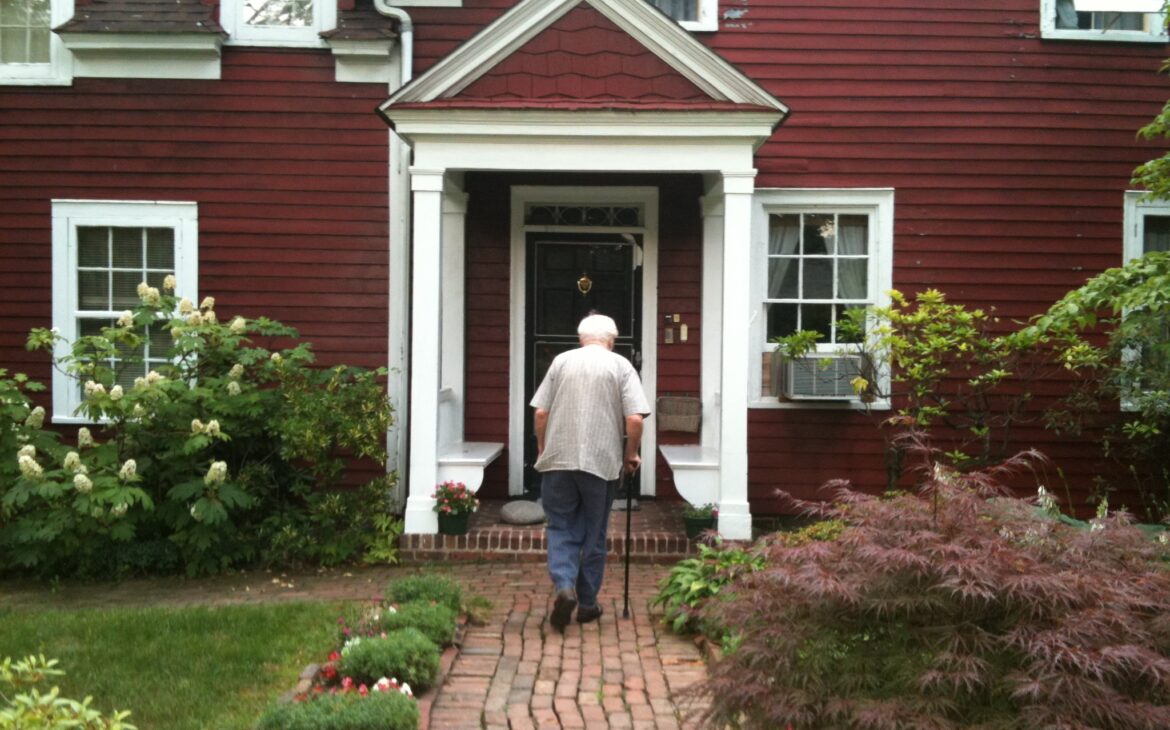
Hannah Reimann: “I decided to videotape Dad at his home initially for two reasons. I wanted to make a movie called ‘My Father’s House’ because I loved his home and being with him there. I had a feeling that the house would be sold after he died and I wanted footage of the house. I was an actor conceiving of a feature film as a writer/director. I first planned to write a feature script and hire an actor to play him. However, I realized after beginning to write a script that no one could play him. I asked Claudio Rietti, a great cinematographer I knew, if he’d explore shooting Dad with me at his home so I could see what he’d be like on camera, capture his memories before they were gone, and ask him to tell us about old times. I was lucky that Claudio was enthusiastic.”
MAA: Given that this film is a love letter to your father, how do you best want your father to be remembered?
HR: “I would like him to be remembered as a brilliant, sensitive, fascinating and, in some ways, immutable father, friend and doctor. Not all of this can be seen in the short film, but some of it can. I would also like people to see that, even though dementia changed him, his unique essence was not lost. The beautiful, passionate person he was could still be experienced even while he had dementia.”
MAA: Did filming serve as a catharsis for you, or help you to deal better with the realities of dementia and death?
HR: “Absolutely. I am an artist and I need to make things, whatever I’m going through in life. In some ways, making the movie saved me because I was lost in caregiving before starting the project. When Dad became my subject, I was able to honor him and his disease in a different way. I thought we could give to other people and share our experience, telling a story with a beginning, middle, and end. I had to make sure I didn’t overstep boundaries with him and if he ever asked me to turn the camera off or tell a crew to leave, I always did. Eventually, I had to do all the shooting myself after he didn’t want visitors.
Dad was a very generous and loving physician. He approved of my having his brain donated to science after he died and I believe he would have been happy to know that other families who experienced dementia in their loved ones could benefit from our movie. That was the kind of doctor he was.
Even though shooting the film gave me a lot more work to do, it gave me energy and I was excited to record him singing and reciting poetry.
The possibility of communicating to others and helping them through a similar experience made me feel that I might be able to give to others.”
MAA: How has having been a caregiver for your father changed you or how you think about dementia and family caregiving?
HR: “Before my dad was ill with dementia, I spent a lot of my time auditioning for films, plays, making music, meeting producers and directors, networking in the entertainment industry and developing my various crafts. When I became a caregiver, I started networking with home healthcare companies, doctors and scientists! I had to give up all my career goals outside of teaching for a considerable amount of time.
My career and my goals have changed since being a caregiver and I tend to think that the choices I make in my career have deeper meaning to me, having experienced my dad’s illness. I don’t audition or take roles to develop myself that other people choose for me. I began to sing the music of Joni Mitchell instead of my original music because I didn’t have time to write music when Dad was ill. I wanted a full body of work that was ready for me to study and perform and I chose the record, “Blue.” This has become a 10-year project of studying over 40 songs from Joni’s catalogue and performing it — something I had not anticipated.
Since we lost our mother in 1996, my sister and I both took care of our father in various and increasing ways over the years. But the learning curve of a caregiver dealing with dementia is steep, with sudden twists and turns. I think it’s a shock for most people. It changed my life forever.
I have enormous respect and empathy for family caregivers and I am always happy to speak to them, to listen to their stories and be supportive in any way I can. No one realizes what exactly they’re getting involved in when dementia hits a family. It has always been my wish that our film can shed light on caregiving, help others have foresight about what it means to be a caretaker and help them feel they are not alone.”
MAA: What are some of the “I-wish-I knew-then-what-I-know-now” moments or thoughts you’d like to share with families just starting on a caregiving journey with a loved one?
HR: “I wish I had known how much work, sacrifice and years are involved in caring for a person with dementia earlier on in the journey with Dad. There was less known about dementia then and people were not interested in talking about it.
I wish I had known what a toll it would take on my relationship with my sister — we went through some tough times and had some disagreements that were very uncomfortable. If I had foreseen that, I may have done things a little differently. I am happy to say we recovered and our relationship is very good now.
I wish I had known earlier on to “give from my overflow” as I learned from therapists, social workers and support groups. By this, they meant that one has to preserve one’s energy and time, have a reserve of those things and to not give it all to caregiving. One analogy is putting the oxygen mask on first in an airplane before you put it on a child. I wore myself out and developed my own health issues for many months in the first years of caregiving, working seven days a week for my dad and myself. Initially, I couldn’t help it, but I learned to preserve myself without feeling guilty as I asked for advice from others. I learned to meditate twice daily – this was a pivotal activity and I meditated in Dad’s room with him. It transformed our relationship and we stopped arguing! I made it a point to take myself to the Korean spa with my sister when she was home, go out to dinner with her, and make myself take short holidays even if it felt uncomfortable for the sake of my well-being and self-preservation. I was often conflicted about this, but it was very important for me to do it for all of us. I made fewer mistakes, too.
I discovered from interviewing doctors and eldercare lawyers that spouses of people with dementia often died before the patient did because many spouses wear themselves out with caregiving. (This was in 2011 and 2012) — I do not know what the statistic is today. Since we had lost Mom many years prior, our housekeeper and I were, in effect, married to Dad in those last years. I had to stay aware and awake to keep both of us from burning out every week. This was not easy.
However, I have to say that I don’t have any regrets. I was lucky that my job as a musician allowed me to spend time with dad every week for years. I organized my life so that I taught 12-15 private music students in New Jersey and 12-15 students in New York each week. I lived in two states for many years. My social life disintegrated, I was lonely and confused, but I knew the time with him was finite. I understood that he was dying from a fatal disease. Ultimately, I realized I would not have traded that time with Dad for anything because it brought me closer to him in the last years of his life and allowed him to die at home like he wanted to. I’m not saying that this is the best way for everyone, but it was the best way for us because I was able to do it.”
MAA: After watching your film, what are the things you hope viewers take away from it?
HR: “I hope they know that they are not alone if they have a family member who has dementia, that there are millions of people going through similar experiences, and that, at this point, it is not unchartered terrain. I hope they might see the big picture in case they are lost in the details of caregiving and they might feel some relief witnessing another family’s experience over three years.
If a viewer can make time for creativity in any way — creating short poems or drawings, channeling the experience of being a caregiver in some personal creative way — this can be a very empowering activity. I am not pushing this because I know caregivers often just want to do nothing when they can rest. It helped me to be creative and to share my creativity with others and I encourage others to try this.
There are organizations like the New York Memory Center that successfully treat people with dementia and brain problems through painting, music, dance, and other arts. I have footage from that organization that is not in the film. I treated Dad with music and this was unforgettable and wonderful. Usually, people with dementia remember songs from their youth or teenage years and really enjoy revisiting it.”
End of interview with Hannah Reimann
Feedback and Comments about the film
Praise for My Father’s House: A Journey of Love and Memory
- “…delivers a thought-provoking, respectful and heart-felt artistic tribute to life and death circumstances. A loving, memory-filled homage.” – Rick Scheidt, The Gerontologist
- “Beautiful, powerful, and captivating…in every way – the story, the people, the music, the flow, and the total presentation. The film really spoke to me, and I’m certain it will inspire others, as well.”
- “Deeply moving. For anyone who has experienced the loss of a love one to a disease that affects the mind, this film has particular resonance.”
- “…a gentle, yet unflinching, look at the process of dying. The film poses so many questions for us to ponder as we try to understand how our minds adapt and age.”
- “…a very touching and compelling film. I did not have the benefit of being next to either one of my parents as they passed away and to see how you and your sister experienced those last moments was very comforting and brought me some closure.”
- “…a powerful film. It really is a moving story and told so well.”

More about Hannah
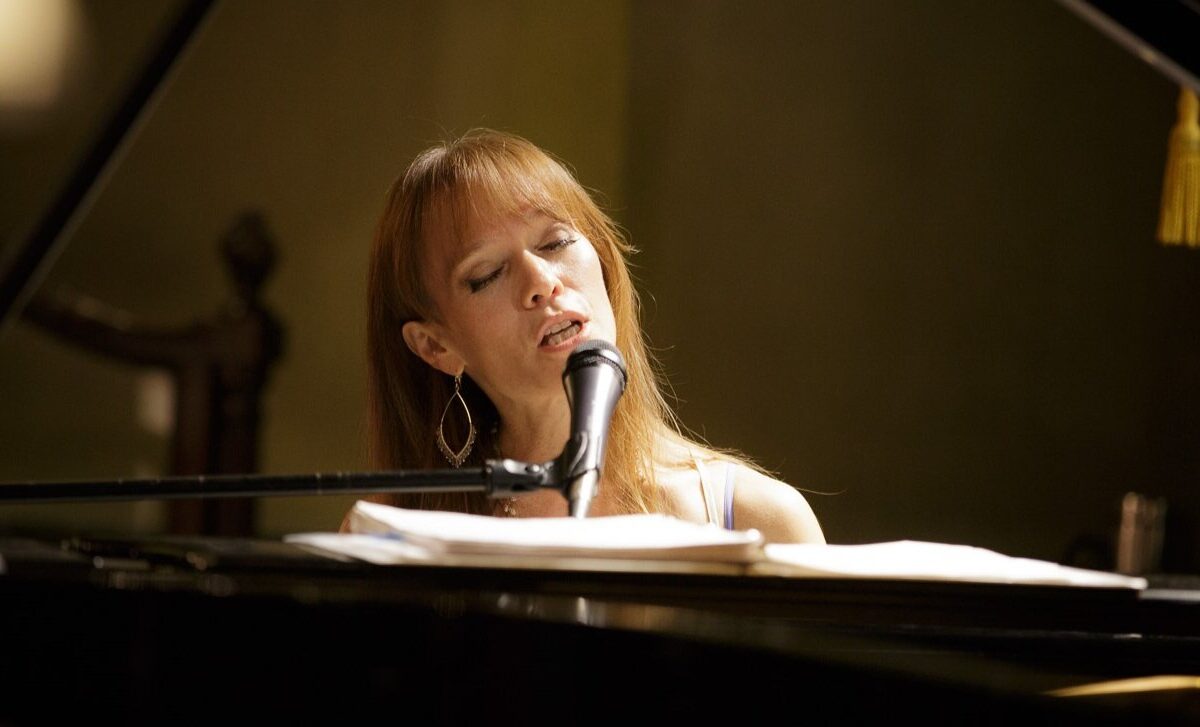
Born in New York to Korean and German parents, Hannah Reimann first sang publicly at age 2, began playing piano at age 5 and joined rock bands as a young teen. She worked with teachers from the Juilliard School as a teen; her focus on Classical music led to numerous piano recitals and learning to arrange and compose instrumental music. She has performed internationally since her teenage years when she was both lead singer for the punk band “Kikigurushii” in Kyoto, Japan and concert pianist in the United States. Reimann has devoted herself to interpreting the music of Joni Mitchell for much of the past decade. Performances of her show Both Sides Now, were hosted at The Bitter End, Littlefield, The Cutting Room and additional venues in Maine, Pennsylvania and New Jersey. The show had a three-week run in 2019 at the Irondale Center, Brooklyn as part of the ON WOMEN theater festival.
Reimann has devoted herself to interpreting the music of Joni Mitchell for much of the past decade. Performances of her show Both Sides Now, were hosted at The Bitter End, Littlefield, The Cutting Room and additional venues in Maine, Pennsylvania and New Jersey. The show had a three-week run in 2019 at the Irondale Center, Brooklyn as part of the ON WOMEN theater festival.
Recently awarded a grant from Café Royal Cultural Foundation to record “Mi Corazòn,” an EP of her original work, Hannah works with Hollywood hit-maker and producer, Peter Rafelson, who wrote for Madonna etc. Her album, First Songs, has been on the Sirius Radio airwaves for over seventeen years. She has been commissioned to create numerous pop, folk, theatre and classical compositions over the past 20 years.