

Lousy: Love in the Time of Dementia
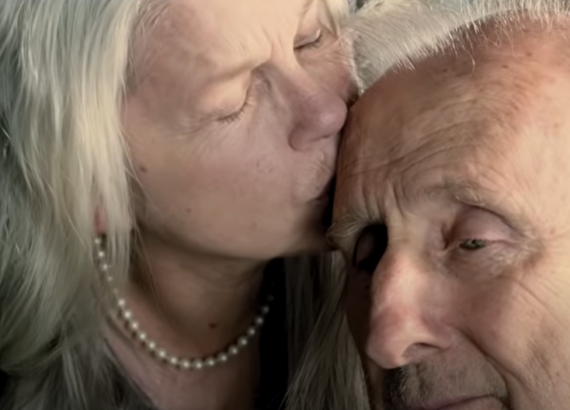
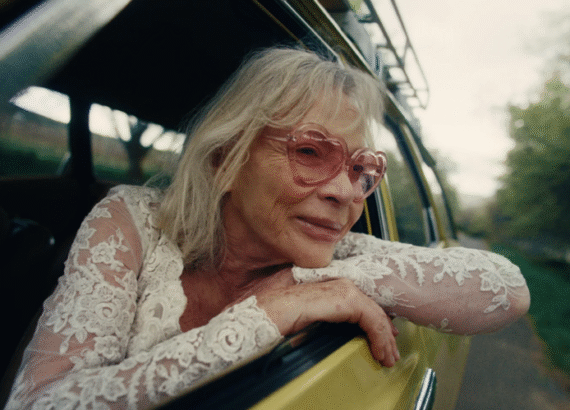
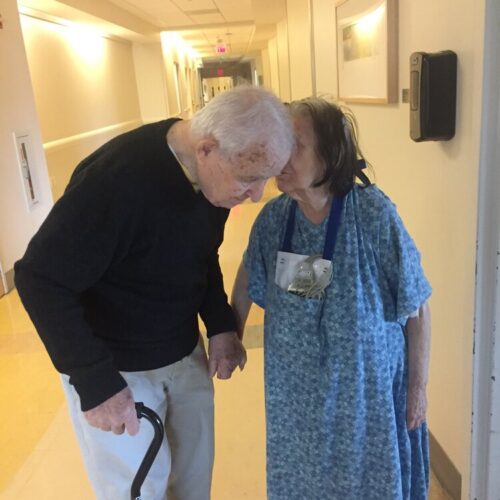
Synopsis: This award-winning film lets us into the world of Marilyn and Josef Silverstein, a couple in their nineties, both dealing with their own form of dementia.
"Lousy: Love in the Time of Dementia" is available for rental or purchase from Terra Nova Films.
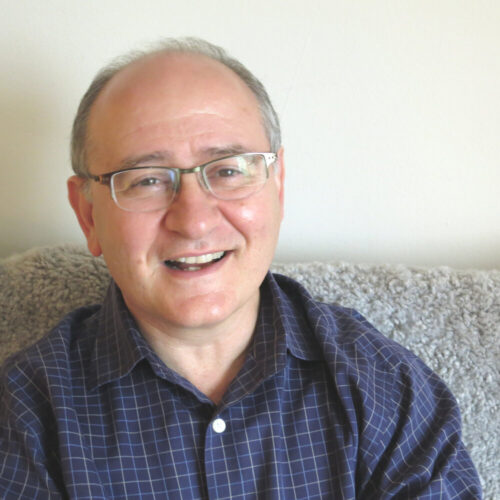
About the Filmmaker
Frank Silverstein was a career network and cable TV producer at ABC-News 20/20, CNN, CBS News, and MSNBC. His stories have always focused on the struggles and passions of people in the news and behind the scenes.
He co-authored a book about entrepreneurship, ‘It’s Your Business’, published by Hachette. He also produced several independent documentaries, including: Canal Street River to River, which premiered on New York’s WNYC.
Currently, he is a consultant helping entrepreneurs and other professionals to find their voice and to tell their stories in video, text and still images for broadcast and social media.
Schedule a Training/Outreach event around this film:
This short film is a powerful tool for raising awareness and generating conversations on dementia and caregiving. It will be sure to prompt questions and lively discussions for a wide range of audiences – from healthcare, mental health, and social workers to caregiver support groups and community outreach. If you would like to schedule a 60- or 90-minute event (with a question-and-answer session with the filmmaker) around this film, please e-mail Customer Service at Terra Nova Films regarding cost and availability. tnf@terranova.org.
Interview with the Filmmaker
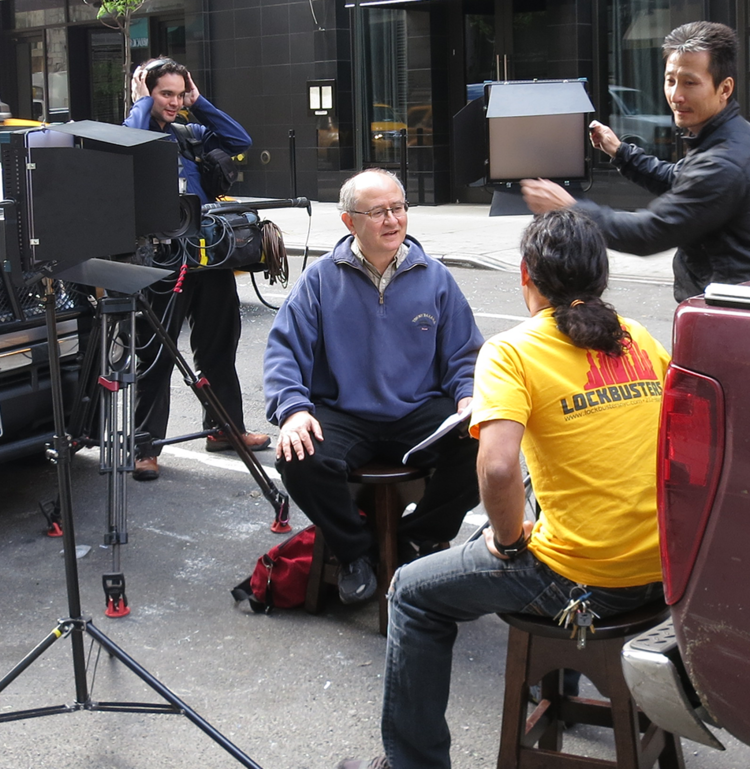
Movies About Aging and Elderhood had a chance to speak briefly with filmmaker Frank Silverstein about Lousy: Love in the Time of Dementia.
Movies About Aging: Do you remember your thoughts when you first started filming your parents? What motivated you to do so?
Frank Silverstein: “I first started to film my parents while they were living independently and having minor difficulties with their checkbook, preparing meals, and such. One afternoon on a weekend visit, they became agitated and demanded that I leave the house immediately, which I did. When I returned an hour later, they were even more upset. They didn’t remember asking me to leave and they didn’t know that I was their son. This is when I first realized they might be suffering from dementia. I grabbed my cell phone and filmed what I heard and saw. As a journalist, my instinct was to collect video clips of these odd moments to capture details that I expected I would probably forget.
Initially, I had no idea of what I would do with this film.”
MAA: It is not always easy to share such intimate information about ourselves, our families, and our circumstances. How has sharing this film with the world changed you and/or your mindset about caregiving?
FS: “For me and my family, the symptoms of dementia were devastating to watch. My parents would easily become confused and angry. They would say things which they would never have said when they were healthy, and it made me wonder if the disease was causing them to reveal true feelings that I had somehow missed.
Making this film allowed me to see the bigger picture beyond the daily stream of emergencies that took all my attention. Through sharing the film, I discovered that many of my experiences were not unique to our family but the common symptoms of dementia. The film helped me, and others caring for people with dementia, to separate the features of this disease such as defiance, anger, anxiety, and confusion, from the personalities of the people we knew and loved. The film offers a broader view what this disease means and what can and cannot be accomplished while caring for someone with this condition.”
MAA: Given the fact that most families are thrust suddenly into caregiving roles, what would you say to help others just starting out on this caregiving journey?
FS: “First, get your legal and financial house in order. Make sure you have health care proxies, a legal power of attorney, and medical directives properly executed. Without these documents you are powerless as a caregiver to stand up to doctors, and banks when it comes to insuring that your person is treated in the manner they would have wanted.
Second, join a local caregiver support group so that you can get practical advice from people in your community who are facing the same set of problems.”
MAA: From the onset of your parents’ dementia until now, how have your thoughts about dementia and caregiving evolved?
FS: “Caregiving for a person with dementia is a painful punch in the gut that impacts your daily life, your outlook on your family, and your relationships with friends, co-workers, neighbors and siblings. It is the nature of this condition that it is constantly changing and what is required of you is also constantly shifting. By the time you feel that you’ve figured out how to handle things, things will have changed. What once was a problem is no longer an issue, and what you thought was not an issue is now a crisis. It took me a long time to recognize that all solutions are temporary.”
MAA: What are the specific things you hope viewers take away from this film?
FS: “I hope that “Lousy: Love in the Time of Dementia” will allow people to see beyond the painful losses and understand that there is a frightened human being seeking to make their way in a world they no longer can understand.
Through making the film, I came to recognize that the essential elements of my parents’ personalities not only endured but guided them and our family forward. What persisted for them, and is visible here in this film, is an intense distillation of their natures. The passions, fears, desires and grace that made my parents human, which steered our family through its colorful life, continued to drive us all to the very end of their lives.
If a caregiver can recognize this in the film, I hope it will make the job of caregiving more bearable and gratifying.”
End of interview with Frank Silverstein
Global Health Film Festival Panel Discussion:
Lousy: Love in the Time of Dementia and The Genius of Marian
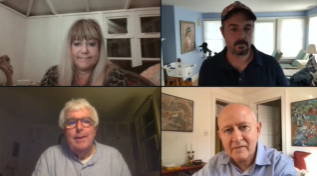
Listen in on a panel discussion of two powerful films, Lousy: Love in the Time of Dementia (Frank Silverstein) and The Genius of Marian (Banker White). Hosted by Christopher Hird, advisory committee member of the Global Health Film Festival, the two filmmakers, along with Melanie Blanksby, Acting CEO of Dementia Carers Count, spark an insightful conversation on the issues of dementia and caregiving that these films bring on….
"What People are Saying..."
“So many families have to deal with this and yet no one wants to talk about it because it’s such a downer. For me, the worst part was watching my parents’ successful 60+ year marriage crumble until they got no comfort from each other. Seeing your parents struggle with some of the same issues gave me some solace as unfortunate as that sounds. Some part of me thought that perhaps my parents’ aggressiveness and testiness with each other reflected long held resentments that I was unaware of, but seeing that same behavior in your parents made me realize I am probably wrong. This is why your film is important! I hope you find a way to get it to a large audience.” — Andy Ring, New York
“There is often significant stigma surrounding dementia, and your candor offers invaluable teachable moments. I also appreciate you keeping it brief. That should help professors make more use of it with students. I can absolutely see showing it in my future college classes, and in workshops for professionals and family caregivers.” — Donna B. Fedus, Gerontologist, Quinnipiac University, & Founder, Borrow My Glasses
“It’s very sensitively done. .. it’s not over sentimental and picks up on important themes like the value of music, insight, recognition, connection and relationships. For me, the film shows the value of being married (a lot of research shows it is a protective factor when we age) and of course, having a good home, resources, access to healthcare, and family care. Not everyone with dementia has these things.”— Ruth Bartlett, University of Southampton, UK, and Director of the University’s Dementia Care Doctoral Training Centre.